




Healthcare systems have always lagged behind consumer technology, until recently. Patients who can stream entertainment instantly or have groceries delivered same-day still endure outdated pharmacy processes long waits, phone tag with insurance companies and trips to brick-and-mortar locations. Modern pharmacy platforms are rewriting this narrative by applying technology and patient-centered design to pharmaceutical care. Bolt Pharmacy leads this transformation, redefining what patients expect from their pharmacy service and setting a new standard for healthcare accessibility.
The Problem Modern Pharmacy Solves
Traditional workflows create friction at every step. Patients must wait in line, pharmacists manage stacks of prescriptions manually, insurance verification happens through outdated systems and delivery remains surprisingly slow. Bolt Pharmacy addresses every pain point simultaneously. Direct integration with prescribers’ electronic health records eliminates paper and phone calls. Automated insurance verification happens instantly rather than consuming hours. Medication fulfillment is optimized through efficient logistics and fast delivery brings prescriptions when needed, not days later. This isn’t minor convenience; it’s transformative for people managing chronic conditions, those recovering from illness and anyone whose health requires reliable medication access. The cumulative effect of streamlined processes is profound reduced wait times, fewer errors and better health outcomes for patients. Patients report spending minutes on ordering instead of hours navigating traditional pharmacy systems, reclaiming time and energy for actual health management.
Accuracy and Verification Getting It Right Matters
Medications are serious; errors can be consequential. Modern platforms combine digital precision with pharmaceutical expertise. Algorithms verify prescriptions against patient profiles, checking for interactions and contraindications automatically. Licensed pharmacists review every prescription a second time before dispensing. Bolt Pharmacy builds double-checking into the system rather than relying on individual attention, meaning safety margins increase dramatically. Patients receive exactly what they need in correct dosages with clear guidance about administration and potential side effects. The redundancy in verification protocols reflects a commitment to patient safety that goes beyond mere compliance. Each prescription is evaluated for interactions with a patient’s current medications, allergies are cross-checked and dosages are verified against clinical standards. This multi-layer safety approach substantially reduces medication errors, which hospitals consistently identify as a leading cause of preventable harm.
The Technology Behind the Service
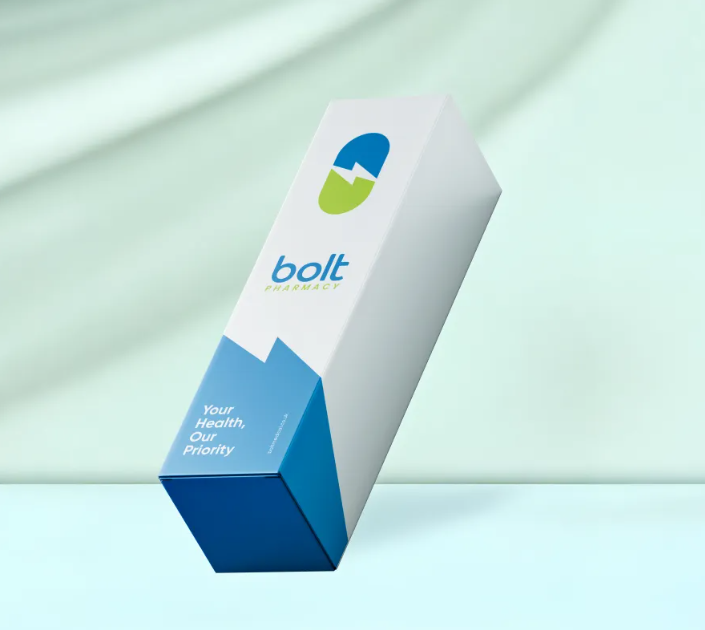
Modern pharmacy isn’t just filling bottles; it’s managing complex healthcare data securely and efficiently. The infrastructure is built on HIPAA-compliant systems designed to protect patient privacy while enabling seamless integration with hospitals, clinics and prescriber offices. Bolt Pharmacy‘s real-time inventory management ensures medications are in stock when needed. Sophisticated logistics algorithms route deliveries optimally, reducing delivery time without sacrificing service quality. Technology serves an essential purpose removing barriers between patients and the medications they need. The platform continuously learns from delivery patterns and pharmacy demand to optimize future operations. Real-time tracking means patients know exactly when their medications will arrive, reducing uncertainty and enabling better planning. Blockchain technology is employed for prescription verification, ensuring immutable records that satisfy both regulatory and safety requirements.
Why Providers and Patients Choose This Solution
- Direct EHR integration eliminates manual prescription entry and reduces errors significantly.
- Automated insurance verification and pre-authorization speeds approval timelines dramatically.
- Licensed pharmacists provide comprehensive medication review and personal counseling.
- Fast delivery ensures patients receive medications within hours when time-sensitive needs arise.
- Transparent pricing with no surprise fees or insurance claim denials after delivery completes.
Supporting Medication Adherence

Patients often fail to take medications as prescribed, not from negligence but from practical barriers. Forgetting to refill, inconvenient pharmacy hours and uncertainty about medications create gaps in treatment. Modern platforms remove these barriers. Automatic refills happen without patient action. Convenient delivery means medications arrive without requiring store visits. Clear counseling about what medications do and why they matter helps patients understand their regimen’s importance. Bolt Pharmacy collectively improves medication adherence, which directly correlates with better health outcomes. Adherence support includes reminder systems, simplified medication schedules and educational resources that empower patients to take an active role in their treatment. Studies consistently show that improved adherence leads to fewer hospitalizations, reduced emergency room visits and better disease management overall. When patients take medications as prescribed, chronic disease management improves dramatically.
The Future of Pharmacy
Healthcare is undergoing a quiet revolution as providers recognize that patient experience and outcomes improve when systems are designed around actual patient needs rather than institutional convenience. Modern platforms represent this shift in action. By combining regulatory rigor with advanced technology, patient-centered design with pharmaceutical expertise and efficiency with care, innovative pharmacies demonstrate that quality healthcare can be both high-quality and convenient and increasingly, patients rightfully expect nothing less. The transformation extends beyond individual pharmacies to reshape how the entire healthcare ecosystem operates, with pharmacists freed from administrative burden to focus on clinical consultation and patient education. This systemic change indicates that healthcare’s future will be patient-centric, technologically enabled and accessible to those who need it most.