



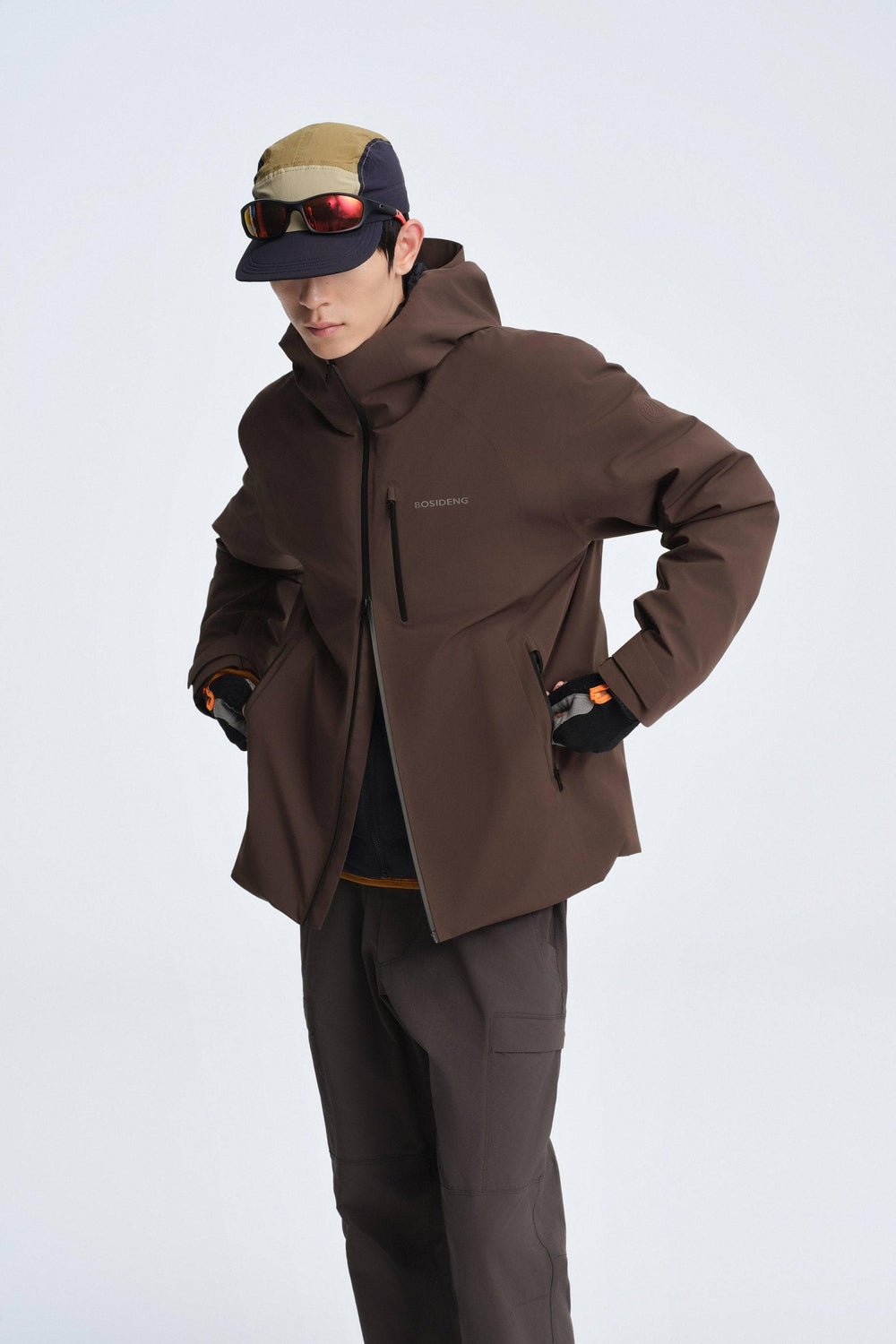
A forecast that promises sunshine in the morning can still produce heavy rain by the afternoon. For people who travel on foot, take public transport or spend weekends outdoors, this uncertainty makes outerwear a question of adaptability rather than seasonal fashion alone. A flexible wardrobe can respond to shifting conditions without requiring a completely different coat for every outing. Bosideng has an all-weather range that includes soft-shell styles, insulated jackets and some three-in-one designs. Understanding what these categories actually offer helps shoppers choose protection that matches their journeys while avoiding unnecessary layers and complicated purchases.
Think in terms of layers, not just jackets
Layering works because different garments take on distinct jobs. A light base layer manages comfort close to the body, a middle layer adds insulation and an outer shell provides protection against wind or precipitation. None of these roles is identical. A warm down coat may feel comfortable on a cold dry day but can be less versatile during a humid, rainy commute. Conversely, a thin waterproof shell may keep a person dry while offering little warmth on its own. The right combination depends on activity, personal temperature preferences and how frequently conditions change during the day.
Match protection to the kind of rain
Descriptions such as water resistant, showerproof and waterproof should not be treated as interchangeable. Water-resistant fabrics may repel a short spell of moisture but are not necessarily designed for sustained rain. Waterproof construction commonly involves more substantial fabric protection and careful treatment of areas where panels join. It is still important to check the specific item’s stated features rather than generalise across a collection. Bosideng groups jackets with different levels of rain and wind protection, which makes reading the listing details particularly useful. People facing frequent downpours may prioritise a protective shell before considering insulation or style.
Where three-in-one designs fit
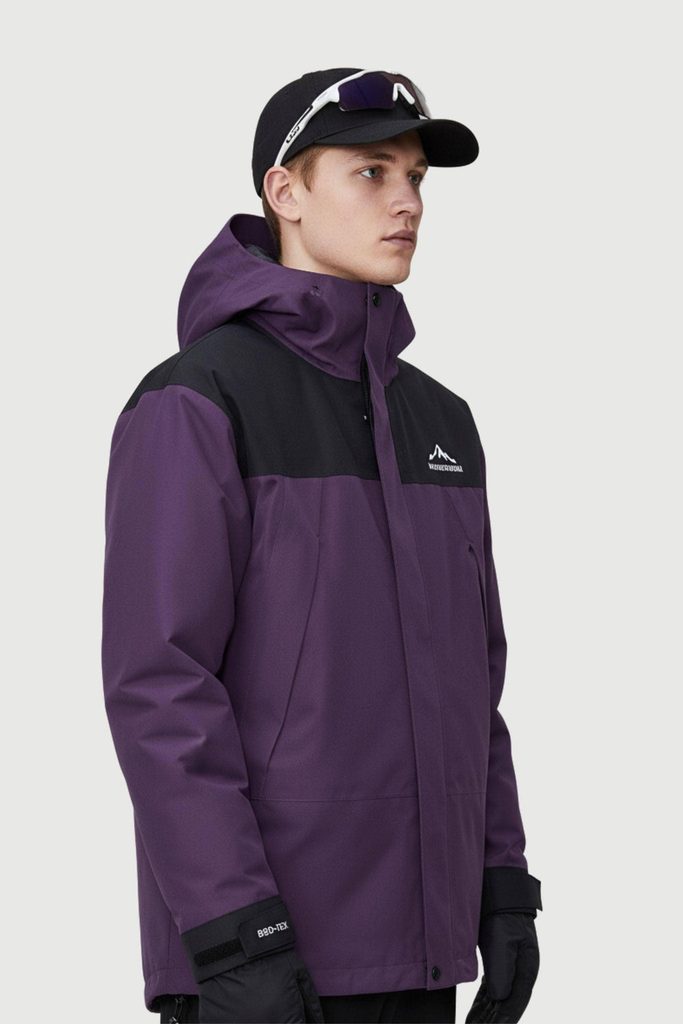
A three-in-one jacket generally combines an outer layer with a detachable inner component. Depending on the model, the wearer may use them separately or together. That flexibility is appealing in climates where wet spring mornings and colder evenings can occur in the same week. It also has trade-offs. Combined garments can feel bulkier than a dedicated lightweight shell, and the attachment system should be easy to use. Bosideng includes several designs described as three-in-one within its all-weather collection, but the exact materials and configuration should be checked for each model. A versatile label is most useful when its features genuinely suit the owner’s schedule.
Movement matters when the weather changes
People walking briskly generate more body heat than those standing at a station, so a single insulation level rarely feels ideal for both activities. Breathability and ventilation can therefore matter alongside weather protection. Adjustable openings allow the wearer to respond when conditions become warmer. The placement of pockets also matters while moving, especially when carrying a backpack. A hood should remain reasonably stable without blocking visibility, and cuffs should protect wrists when arms are extended. Comfort is not simply a question of the warmth a garment provides; it is also about how easily the wearer can respond to changing effort and conditions.
Questions to ask before selecting a style
- Will the jacket be used mostly in rain, wind or dry cold?
- Can the intended layers fit comfortably beneath the outer shell?
- Are the hood, cuffs and fastenings easy to adjust outdoors?
- Does the design allow comfortable walking, cycling or commuting?
- Do the washing and storage instructions match the household routine?
Use a capsule approach to outerwear
Instead of collecting coats for every possible forecast, a small selection of complementary pieces can cover common situations. A protective outer layer combined with an insulating mid-layer may handle many transitional days. A warmer dedicated coat can serve during prolonged cold periods. For travellers, packability and weight become more important because space is limited. Shoppers comparing Bosideng all-weather garments should consider how each candidate fits alongside existing fleece, knitwear and winter coats. Duplicate functions are less helpful than a clear combination of pieces that can be worn independently or layered.
Consider care and long-term performance
Weather-resistant finishes and insulated components require appropriate care. Washing products, drying methods and storage conditions can affect how garments perform, so the care label should guide maintenance. Dirt accumulating on an outer shell can interfere with the way moisture behaves on its surface. Some coatings may need refreshing according to the maker’s instructions. Detachable liners add flexibility but also create additional components to keep track of. Checking that fastenings, seams and attachment points are robust is worthwhile before purchase, especially for outerwear intended for frequent use across several seasons.
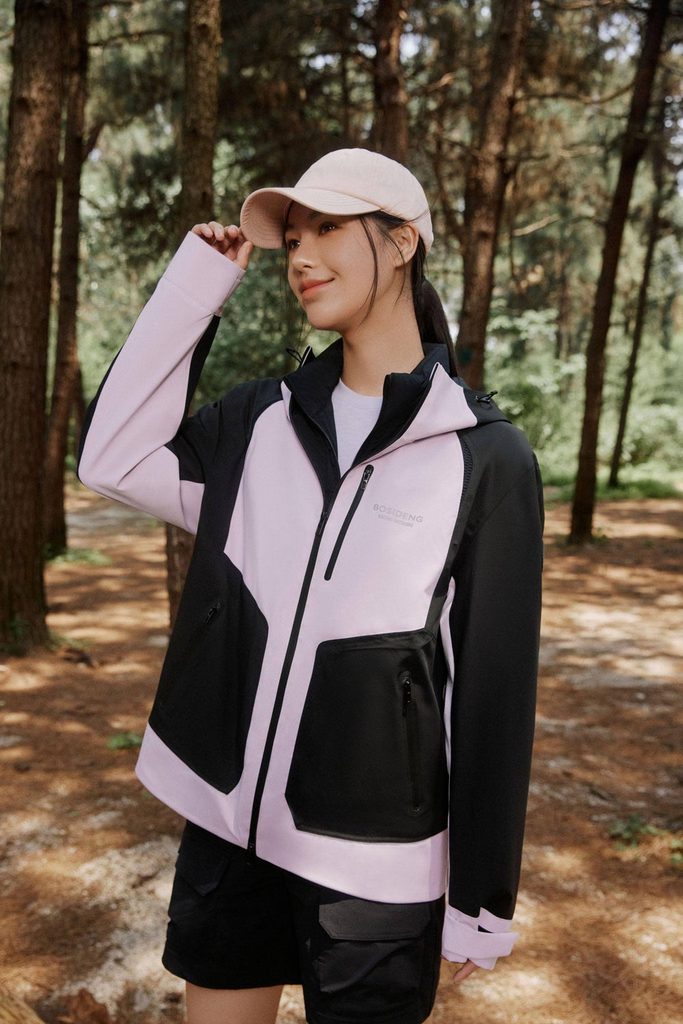
Find the balance between function and appearance
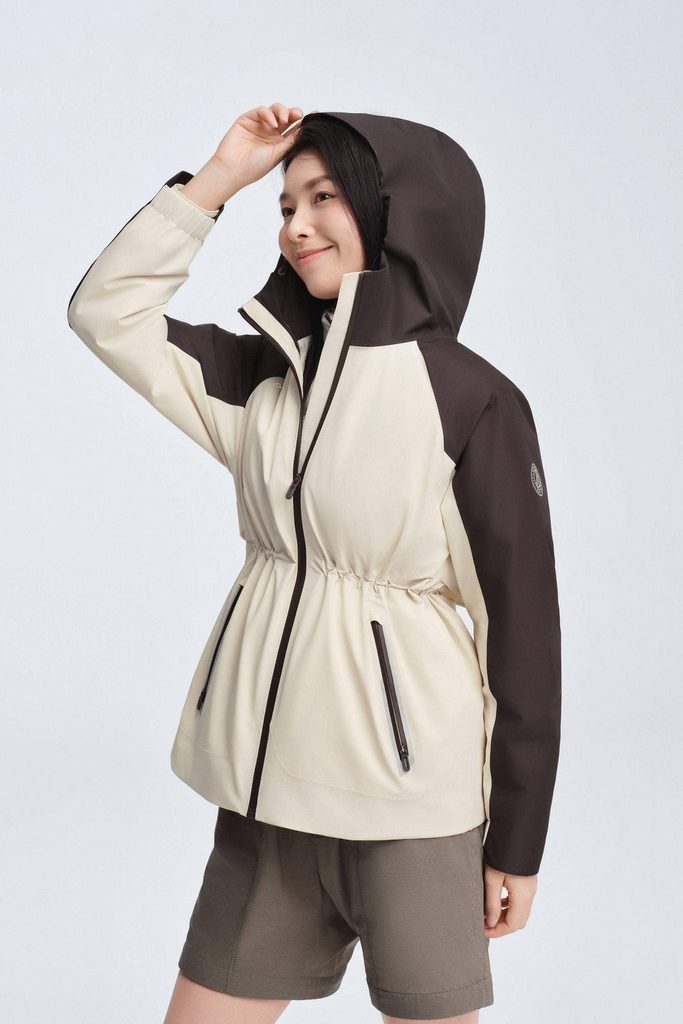
Technical outerwear does not need to look exclusively suited to mountain paths. Clean shapes and muted colours can work well with city clothing, while brighter options may offer better visibility during dull weather. The right decision depends on whether the jacket will accompany tailored trousers, casual denim or activewear. Length and volume determine how easily it layers over those outfits. Bosideng offers a mix of soft-shell and insulated silhouettes, allowing different trade-offs between streamlined appearance and weather coverage. Ultimately, a successful all-weather choice is one that gets worn often because its comfort, protection and style make sense together.