




Light Conditions Matter More Than Frame Fashion
Sunglasses are often chosen by frame shape first, yet the lens has a greater influence on how comfortable the view feels through changing light. A wearer moving between bright coastlines, shaded streets and open roads encounters very different levels of glare and contrast. That makes lens color more than an aesthetic decision. The right tint can reduce visual strain, preserve useful detail and make an outdoor day feel more consistent from one setting to the next.

The lens system used by Maui Jim is built around polarization, UV protection and color enhancement rather than simple darkening. Its PolarizedPlus2 technology is designed to cut reflected glare while keeping colors clear instead of flattening the scene. That difference matters because glare usually comes from surfaces such as water, glass, pavement and vehicle bodywork. A dark lens without effective polarization can lower overall brightness while still leaving reflected light uncomfortable.
For everyday wear, the practical question is not which lens looks darkest. It is which lens keeps contrast useful in the conditions a person actually meets. A commuter may need help with road glare. A traveler may move from strong midday light to softer late-afternoon conditions. A golfer may need definition when light levels are lower. Matching the tint to those patterns can make the eyewear more useful rather than merely decorative.
Four Lens Colors Serve Different Jobs
Neutral Grey is intended for bright, direct sunlight and is the most straightforward choice for people who spend long periods outdoors in strong light. It reduces overall intensity while maintaining natural-looking color. That makes it practical around beaches, open roads and other exposed places where light arrives from several directions at once.
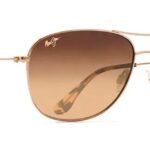
HCL Bronze takes a different approach. Its warmer tint increases contrast in variable conditions, which can be helpful on days when sunlight changes repeatedly. A pair from Maui Jim with this lens color can suit people who want one broadly useful option for walking, driving and casual outdoor activity rather than a lens optimized only for the brightest part of the day.
Maui Rose is designed around high contrast and can suit fast-moving activity where edges and surface changes need to remain distinct. Maui HT is lighter and intended for situations where a conventional sunglass lens may feel too dark. It is associated with lower light and golf, where seeing subtle changes in terrain can matter more than maximum light reduction.
A Simple Way to Narrow the Choice
A buyer can make the decision easier by thinking about the environment before comparing frame colors or decorative details. A short list of practical questions usually reveals which lens family deserves attention first.
- Bright direct sun calls for stronger light reduction and controlled glare rather than an extra-dark fashion tint.
- Mixed sun and cloud favor a versatile contrast-enhancing lens that remains comfortable across changing conditions.
- Fast outdoor activity benefits from strong contrast and clear edge definition as the scene changes quickly.
- Lower-light activities need enough transmission to keep detail visible instead of making the view unnecessarily dim.
This approach keeps the purchase centered on visual conditions. It also prevents a common mistake in which a wearer chooses a lens because it complements the frame but later discovers that it is not ideal for the setting where the sunglasses are used most often.
Materials and Maintenance Complete the Decision
Lens color is only part of performance. Material changes weight, clarity, impact resistance and scratch resistance. SuperThin Glass is positioned for very high optical clarity and strong scratch resistance. MauiBrilliant offers optics close to glass at much lower weight. MauiPure balances clarity with a lightweight build and resistance to everyday knocks. Newer performance materials place additional emphasis on impact resistance and low weight for active use.
That range allows Maui Jim eyewear to serve different routines without forcing every wearer into the same construction. Someone who values maximum clarity for relaxed everyday use may prioritize different properties from a runner or traveler who wants lighter weight and greater resistance to impact. The most sensible comparison therefore considers lens color and lens material together.

Care also influences long-term performance. Lenses should be rinsed when grit or salt is present, then dried with a clean microfiber cloth rather than rubbed while dusty. Cases reduce accidental scratches in bags and pockets. Heat exposure should also be limited, especially inside parked vehicles. With those habits in place, Maui Jim sunglasses can be evaluated as functional outdoor equipment rather than a seasonal accessory, with the lens selected for the light conditions that matter most.
The same logic applies when one pair needs to cover several routines. A person who drives in strong sun, walks through shaded streets and spends weekends near water may value versatility more than extreme specialization. In that case, a balanced lens material paired with a broadly useful tint can make more sense than chasing the maximum score in a single category. Maui Jim gives wearers enough combinations to make that tradeoff deliberately, which is more useful than assuming one lens is universally best.